



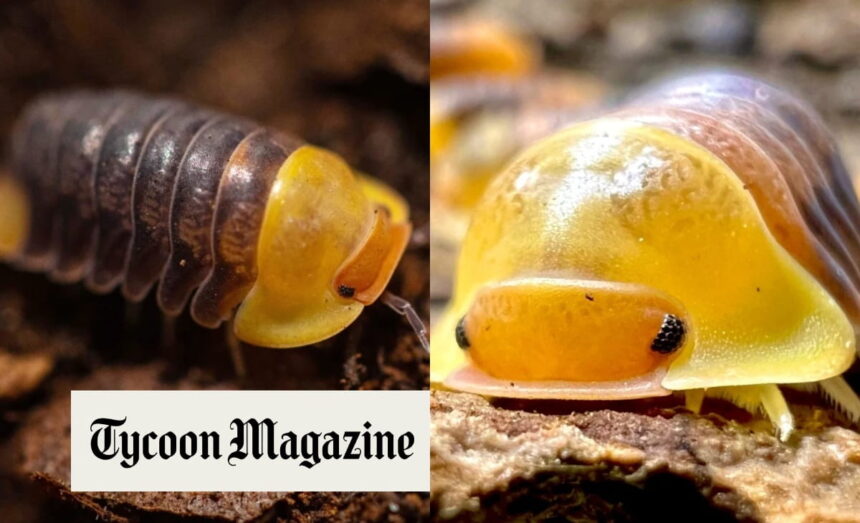
Exotic microfauna have become a fascinating part of modern terrarium keeping, and few species attract attention quite like rubber ducky isopods. Their distinctive appearance, which resembles a tiny yellow duck face, makes them one of the most recognizable isopods among collectors. Hobbyists often include them in naturalistic enclosures because they bring movement, character, and visual interest to carefully designed habitats. As interest in bioactive setups continues growing, these remarkable creatures are becoming a favorite choice for enthusiasts seeking something unique yet rewarding to observe.
Rising Popularity Among Enthusiasts
The demand for rubber ducky isopods has increased significantly within terrarium and invertebrate communities. Their uncommon look immediately stands out when compared with more common isopod varieties. Collectors frequently share photographs, enclosure designs, and care experiences through online groups, helping introduce new keepers to this fascinating species.
Many hobbyists appreciate the combination of rarity, beauty, and manageable care requirements. This balance has helped establish them as one of the most sought-after additions to decorative bioactive environments.
What Makes Them So Special?
Unlike many small enclosure inhabitants, these isopods possess a striking color pattern that attracts attention even in densely planted setups. Their slow, steady movement allows observers to enjoy watching natural behaviors without disturbing the habitat.
Features That Collectors Appreciate
- Distinctive duck-like facial markings create a memorable appearance.
- Compact size makes them suitable for various enclosure styles.
- Interesting behavior patterns provide continuous observation opportunities.
- Unique coloration adds visual contrast against natural substrates.
Ideal Habitat Conditions
A well-designed enclosure plays a major role in maintaining healthy populations. These isopods thrive in environments that closely mimic natural forest-floor conditions. Deep substrate layers, adequate moisture, and sheltered areas help create a comfortable setting for daily activity.
Providing a balanced environment encourages exploration while reducing unnecessary stress. Natural materials also improve the overall appearance of the enclosure, making it both functional and attractive.
Recommended Habitat Components
- Moist substrate capable of retaining humidity.
- Decaying leaves for shelter and natural feeding opportunities.
- Cork bark or wood pieces for secure hiding locations.
- Ventilation that supports airflow without excessive drying.
Appearance and Display Value
One reason collectors admire rubber ducky isopods is their exceptional visual appeal. Their bright markings create an eye-catching contrast against darker enclosure materials. Even a small colony can become a focal point within a carefully arranged terrarium.
Natural decorations such as moss, bark, and leaf litter further enhance their appearance. These elements create a realistic setting where observers can enjoy both the habitat and its inhabitants simultaneously.
Importance of Consistent Care
Successful keeping depends on maintaining stable conditions over time. Humidity management is particularly important because sudden environmental changes may affect activity levels. A clean enclosure with quality organic materials supports healthy development and long-term colony growth.
Routine observation allows keepers to identify adjustments before they become significant issues. Consistency often produces better results than frequent habitat modifications.
Useful Care Tips
- Monitor moisture levels regularly to prevent overly dry conditions.
- Provide multiple hiding areas throughout the enclosure.
- Remove unnecessary waste materials when needed.
- Maintain steady environmental conditions for long-term stability.
Community Influence and Inspiration
The growing popularity of bioactive habitats has encouraged hobbyists to experiment with creative enclosure designs. Social platforms frequently showcase impressive setups featuring rubber ducky isopods alongside natural decorative elements.
Shared experiences benefit beginners by offering practical ideas and proven habitat strategies. Many collectors develop their own styles while learning from successful examples within the community.
Future of Rubber Ducky Isopod Keeping
Interest in miniature ecosystems continues expanding as more people discover the enjoyment of maintaining living displays. The combination of artistic enclosure design and fascinating invertebrate behavior creates a hobby that appeals to a wide audience.
As awareness grows, rubber ducky isopods are likely to remain a highly desirable species among both experienced collectors and newcomers. Their unusual appearance and compatibility with naturalistic setups contribute to their lasting appeal.
Final Thoughts
Rubber ducky isopods have earned their reputation as one of the most captivating species in the terrarium hobby. Their remarkable markings, calm behavior, and compatibility with decorative habitats make them a standout choice for collectors seeking something distinctive. With proper enclosure planning, suitable moisture levels, and quality natural materials, these tiny creatures can thrive while adding life and personality to bioactive displays. Their popularity continues to grow because they offer both aesthetic value and an enjoyable keeping experience. For hobbyists who appreciate unique microfauna, few species provide the same combination of charm, rarity, and visual impact.
FAQ
Why are rubber ducky isopods considered unique?
Their characteristic yellow facial markings resemble a miniature duck, making them instantly recognizable among isopod species.
What habitat is best for rubber ducky isopods?
A humid enclosure containing leaf litter, bark, and moisture-retaining substrate generally provides suitable conditions.
Are rubber ducky isopods beginner friendly?
They require consistent environmental conditions, but many hobbyists successfully keep them with proper research and preparation.
Why are they popular in bioactive setups?
Their appearance, natural behavior, and compatibility with terrarium ecosystems make them attractive additions to living displays.
Visit Tycoon Magazine for More Latest Updates